NASA finds evidence of ‘interplanetary shock’ for first time0
- From Around the Web, Space
- August 15, 2019
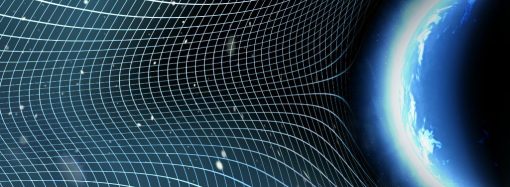
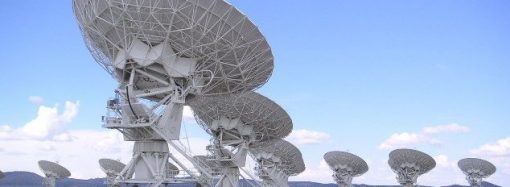
NASA has captured a phenomenon in space that has eluded humanity for centuries — an “interplanetary shock.”


NASA has captured a phenomenon in space that has eluded humanity for centuries — an “interplanetary shock.”
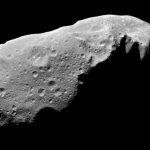
August’s asteroid activity is not over yet: According to NASA data, another “potentially hazardous” space rock about the size of the Washington Monument will fly by Earth at the end of the month.
You’ll be able to see some of it for up to another week.
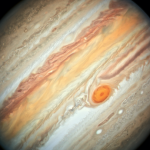
For a time, it looked as though the planet’s defining feature might be on the verge of extinction.
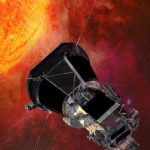
The solar probe is helping us understand the effects of solar on Earth and other planets.
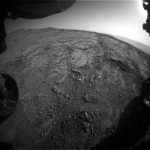
NASA’s Curiosity Mars rover is now performing Sol 2491 tasks.
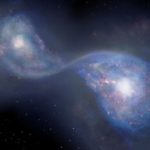
Although once invisible to us in the vast reaches of the universe, 39 massive ancient galaxies have been discovered by astronomers using multiple space and ground-based observatories. This is the first discovery of its kind, the researchers said.
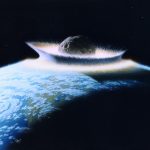
Astrophysicist Neil deGrasse Tyson and cosmochemist Natalie Starkey recently discussed what would happen if the asteroid that caused the Chelyabinsk impact event hit a heavily-populated city instead.

Scientists believe the Beresheet’s unusual cargo may be alive and well on the moon
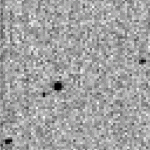
On 25 July, an asteroid the size of a football field flew by Earth, coming within 65 000 km of our planet’s surface during its closest approach—about one fifth of the distance to the Moon.