Jupiter’s moons could keep each other warm by raising tidal waves0
- From Around the Web, Space
- August 7, 2020
Gravitational kneading from the mammoth planet is not the satellites’ only source of heat

Gravitational kneading from the mammoth planet is not the satellites’ only source of heat
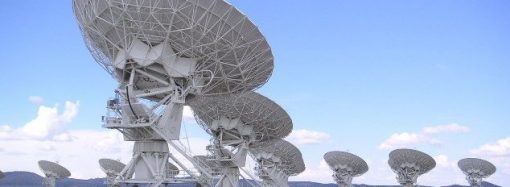
Astronomers using NSF’s Very Long Baseline Array, a continentwide system of 10 radio telescope antennas located between Hawaii and Puerto Rico, have detected a giant exoplanet in orbit around the ultracool dwarf TVLM 513-46546 (TVLM 513 for short). This is the first astrometric detection of a planet at radio wavelengths. The presence of this Saturn-like planet on a close circular orbit around tiny star represents a challenge to the current planet formation theory.
The flashes of light could form thanks to ammonia antifreeze
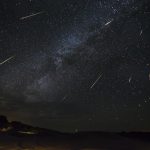
Are you ready for the year’s most popular meteor shower?
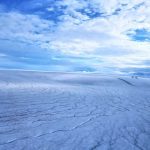
A large number of the valley networks scarring Mars’s surface were carved by water melting beneath glacial ice, not by free-flowing rivers as previously thought, according to new UBC research published today in Nature Geoscience.

Bob Behnken and Doug Hurley land off Florida after two-month voyage that was Nasa’s first crewed mission from home in nine years
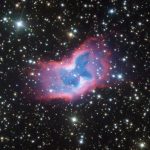
Thousands of light years away, there’s a “space butterfly” colored with brilliant blues and clouds of purple and red. It’s an image we’ve never seen in this much detail before.

Curtin University researchers have discovered two meteorites in a two week period on the Nullarbor Plain—one freshly fallen and the other from November 2019.

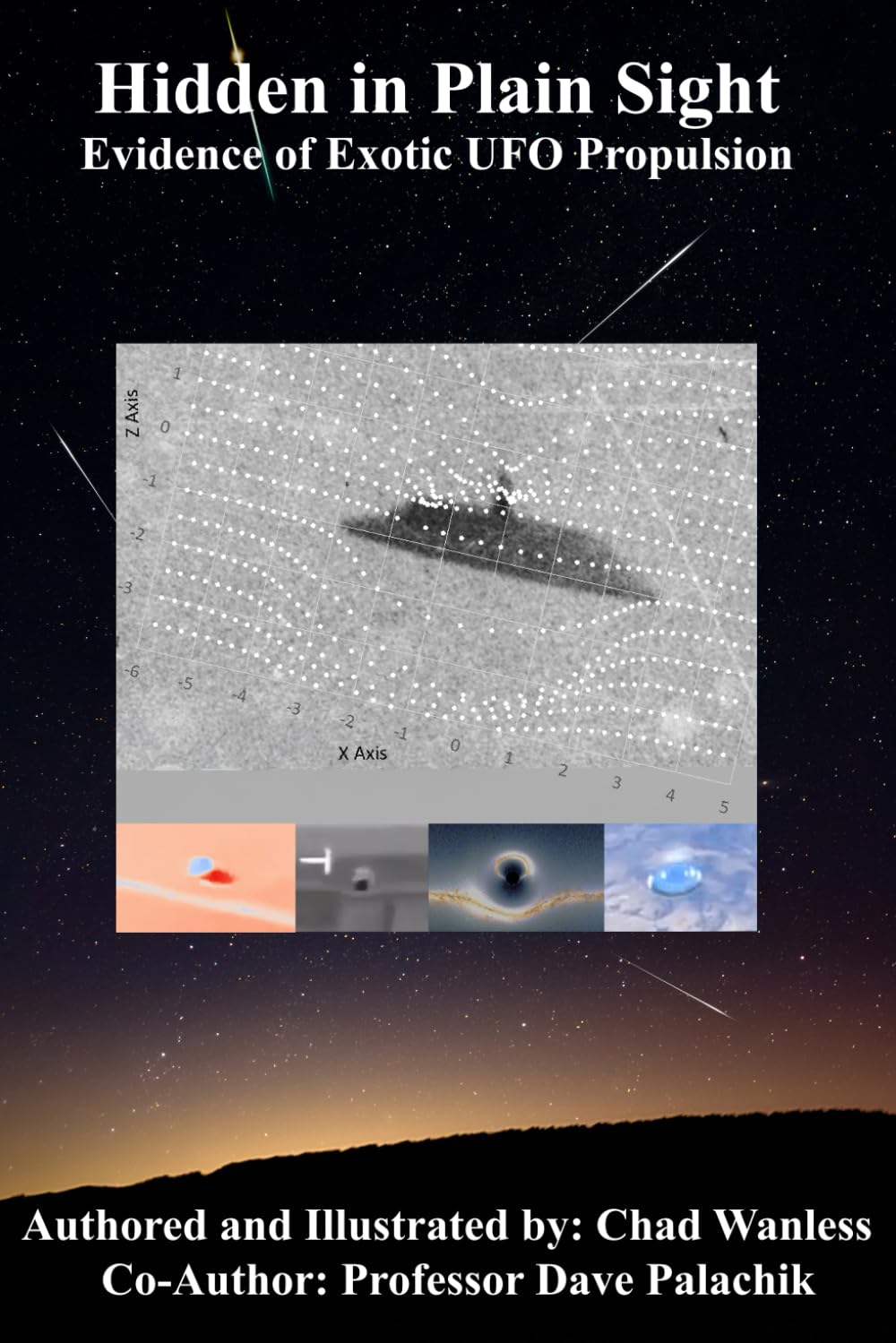
The U.S. Government has secretly been searching for Unidentified Flying Objects (UFOs) years after it disbanded its official UFO-hunting Pentagon group, according to reports.
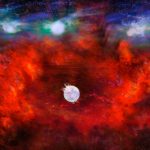
Astronomers using the Atacama Large Millimeter/submillimeter Array (ALMA) have found new evidence that a very young neutron star is hiding deep inside the remains of the supernova 1987A (SN 1987A).