Four rusty Roman coins found buried underneath remote castle in Japan0
- Ancient Archeology, From Around the Web
- June 29, 2017
‘There is almost no mistaking their authenticity’ says Japanese museum curator

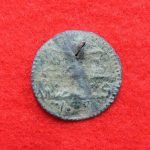
‘There is almost no mistaking their authenticity’ says Japanese museum curator
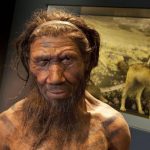
‘Apparently, Neandertals possessed a good knowledge of medicinal plants … the use of antibiotics would be very surprising, as this is more than 40,000 years before we developed penicillin’
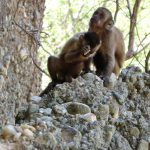
Capuchins have been observed in the wild smashing rocks together and creating razor-sharp flakes of rock just like those thought to have been used as knives by early humans.
ice cores and records from the Black Death show lead entered the air from human activity – and scientists claim “natural background” levels are zero
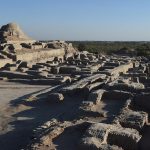
Mohenjo Daro is threatened by the baking temperatures of the Indus Valley and the threat from tourists and terrorists
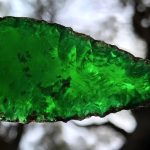
Staff and students from The University of Western Australia’s School of Indigenous Studies have made an exciting discovery during a University excursion on Rottnest Island (Wadjemup).
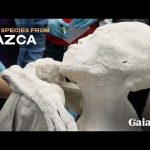
A new anomalous discovery has been unearthed in Peru. Join Gaia’s ongoing investigation and decide for yourself if this is proof of a non-human species.
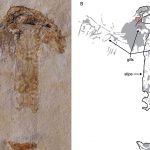
Scientists say the unique find, believed to be 115m years old, is similar to today’s fungi
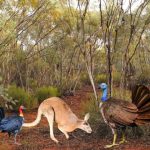
Progura gallinacea, a species of extinct giant brush turkey that lived in Australia during the Late Pliocene and Early Pleistocene (1-3 million years ago), is among five megapode birds described (or redescribed) by Flinders University paleontologists.
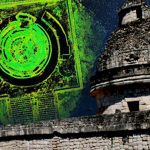
In 1526, the Spanish conquistador Francisco de Montejo arrived on the Yucatan Peninsula of Mexico and found most of the great Maya cities deeply eroded and unoccupied. Many generations removed from the master builders, engineers, and scientists who conceived and built the cities, the remaining Maya they encountered had degenerated into waring groups who practiced blood rituals and human sacrifice.