New study estimates the odds of life and intelligence emerging beyond our planet0
- From Around the Web, Space
- May 20, 2020
Humans have been wondering whether we alone in the universe since antiquity.


Humans have been wondering whether we alone in the universe since antiquity.
New research published today in the journal Nature Astronomy reveals a type of destructive event most often associated with disaster movies and dinosaur extinction may have also contributed to the formation of the Moon’s surface.

The SpaceX CEO is not too concerned about reports that the firm would need a huge amount of missiles.
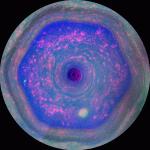
It’s hazy days for this hexagon.

The volcano is responsible for the deadliest eruption in the U.S., yet many mysteries remain about the closely watched peak, including why it formed in the first place.

It all began as biologist and associate professor Ana Sofia Reboleira of the National Natural History Museum was scrolling though Twitter. There, she stumbled upon a photo of a North American millipede shared by her US colleague Derek Hennen of Virginia Tech. She spotted a few tiny dots that struck her well-trained eyes.
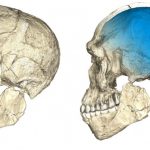
The oldest Homo sapiens fossils that anthropologists have found thus far date to around 315,000 years ago. That means we can say that modern humans are at least that old. But our lineage likely extends further back in time — we just don’t have the fossils to prove it.
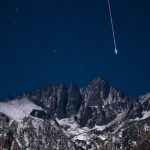
What do you think of when you hear “meteor”?
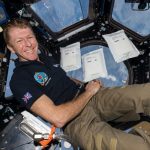
A million rocket salad seeds were sent to the International Space Station in 2015 where they remained for six months.

Physicists from the ASACUSA (Atomic Spectroscopy And Collisions Using Slow Antiprotons) Collaboration at CERN have successfully synthesized and studied theoretically predicted but never before verified atoms of pionic helium. Their results mark the first time such spectroscopic measurements have been made on an exotic atom containing a meson.