A cosmic flare called the ‘Cow’ may reveal a new way that stars die0
- From Around the Web, Space
- January 14, 2019
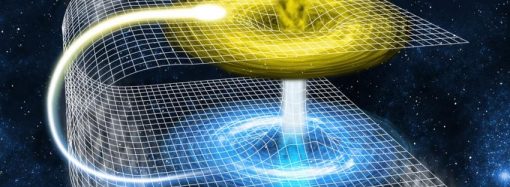
The burst of light from far away may have been a new type of supernova

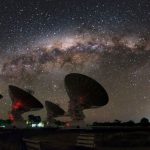
The burst of light from far away may have been a new type of supernova
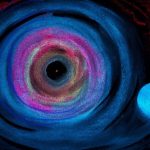
A bright flare nicknamed “The Cow” may have been the birth of a black hole or neutron star.
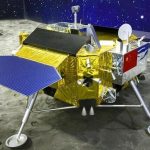
The rover is the first to land on the dark side of the moon.
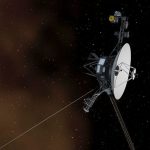
Humanity’s most far-flung spacecraft, NASA’s 41-year-old Voyager 1, has poked a hole in a long-shot theory of dark matter.
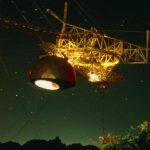
Astronomers have fresh insight on a mysterious source of recurring radio pulses from space.
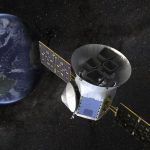
Tess mission has detected three new planets and six supernovae in its first three months
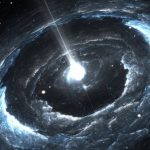
Astronomers have revealed details of mysterious signals emanating from a distant galaxy, picked up by a telescope in Canada.
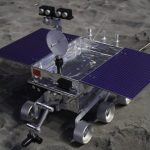
Chang’e 4 will test soil composition, try to grow plants, and listen for traces of Big Bang
Galaxy mergers—in which two galaxies join together over billions of years in sometimes-dramatic bursts of light—aren’t always easy for astronomers to spot. Now, scientists from the University of Colorado Boulder have developed a new technique for finding these cosmic couplings in surveys of the night sky.
The first few exoplanets nabbed by the telescope are unlike any yet seen