NASA observatory captures a rare stretch of our sun without spots0
- From Around the Web, Space
- March 23, 2017
Like a giant egg yolk in the sky

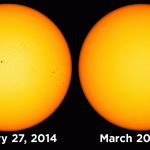
Like a giant egg yolk in the sky

Dust to dust. The mysterious dark flows on Mars may not be water after all. Instead, they could be rivulets of sand, set in motion by sunlight on the Martian surface. The dark streaks form on Mars’s slopes during warm seasons, and are known as recurring slope lineae. While there is no direct evidence of
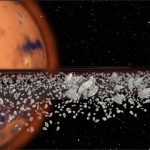
It’s possible that Mars had rings at one point and may have them again someday.
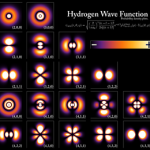
Is quantum communication through light the answer to our long search for the Extraterrestrial intelligence (ETI) signals?
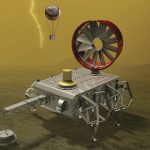
The hellishly hot planet fries spacecraft electronics, so NASA scientists devised a machine inspired by ancient technology.
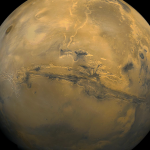
With a budget $19.508 billion, will NASA be able to get people onto the red neighboring planet?
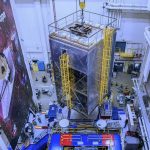
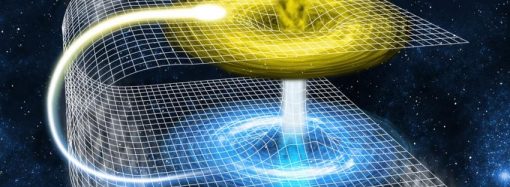
Time travel is possible, in a way.
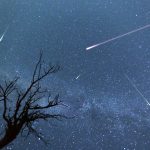
The odds of life spreading between the worlds of the newly-discovered seven-planet TRAPPIST-1 system are up to 1,000 times greater than in our own solar system. That’s the conclusion of a new analysis posted March 2 to the arXiv, an online repository of scientific papers.
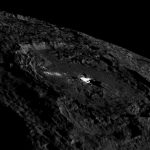
On the dwarf planet Ceres, volcanoes rage — but instead of hot lava coming out of them as on Earth, they spew brine and ice.
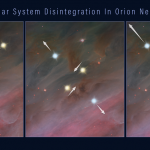
As British royal families fought the War of the Roses in the 1400s for control of England’s throne, a grouping of stars was waging its own contentious skirmish — a star war far away in the Orion Nebula.