Bigfoot Was Investigated by the FBI. Here’s What They Found0
- Earth Mysteries, From Around the Web
- June 14, 2019
In 2019, the FBI released its four-decade-old file on a Bigfoot inquiry.


In 2019, the FBI released its four-decade-old file on a Bigfoot inquiry.

Nasa has warned about the dangers of asteroids in the future – but not this one
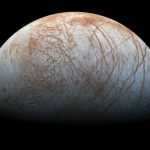
Much like Earth’s seas, the subsurface ocean of this icy moon of Jupiter contains sodium chloride, the main ingredient of table salt

This special snake has lots of tricks to avoid becoming prey.
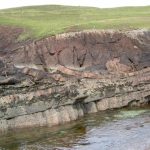
Space object about a mile wide believed to have crashed into Earth around 1.2bn years ago
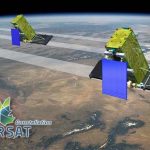
Canada’s RADARSAT Constellation Mission (RCM) was launched successfully into space aboard a SpaceX Falcon 9 rocket at 10:17 a.m. Eastern time from Vandenberg Air Force Base, California.
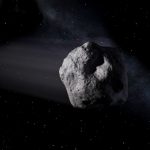
Examining asteroids that come close to earth helps scientists understand our solar system.
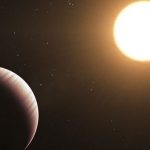
According to a new study, many planets in the so-called habitable zone can only support single-celled organisms.
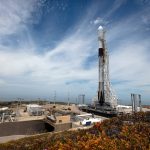
SpaceX will deploy Canada’s Radarsat Constellation via a Falcon 9 launch Wednesday. Lifting off from California’s Vandenberg Air Force base at 07:17 Pacific Time (14:17 UTC), Falcon will deliver the three radar-imaging satellites to orbit a little over an hour later.
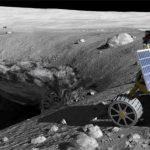
Robotically surveying lunar craters in record time and mining resources in space could help NASA establish a sustained human presence at the Moon – part of the agency’s broader Moon to Mars exploration approach. Two mission concepts to explore these capabilities have been selected as the first-ever Phase III studies within the NASA Innovative Advanced Concepts (NIAC) program.